Endoscopic Sleeve Gastroscopy

Make Appointment

Endoscopic Sleeve Gastroscopy

Stomach volume is reduced by 70%

resulting in 15 to 20% total body weight loss in 1 - 2 yrs

Minimally Invasive

Endoscopic procedure performed through the mouth. No surgical incision. Faster recovery in 2 - 3 days with minimal discomfort.

Day Surgery

patient can go home on the same day; cheaper for patient

Lower cost for patient

day surgery; faster recovery and return to work.

Endoscopic Sleeve Gastroplasty

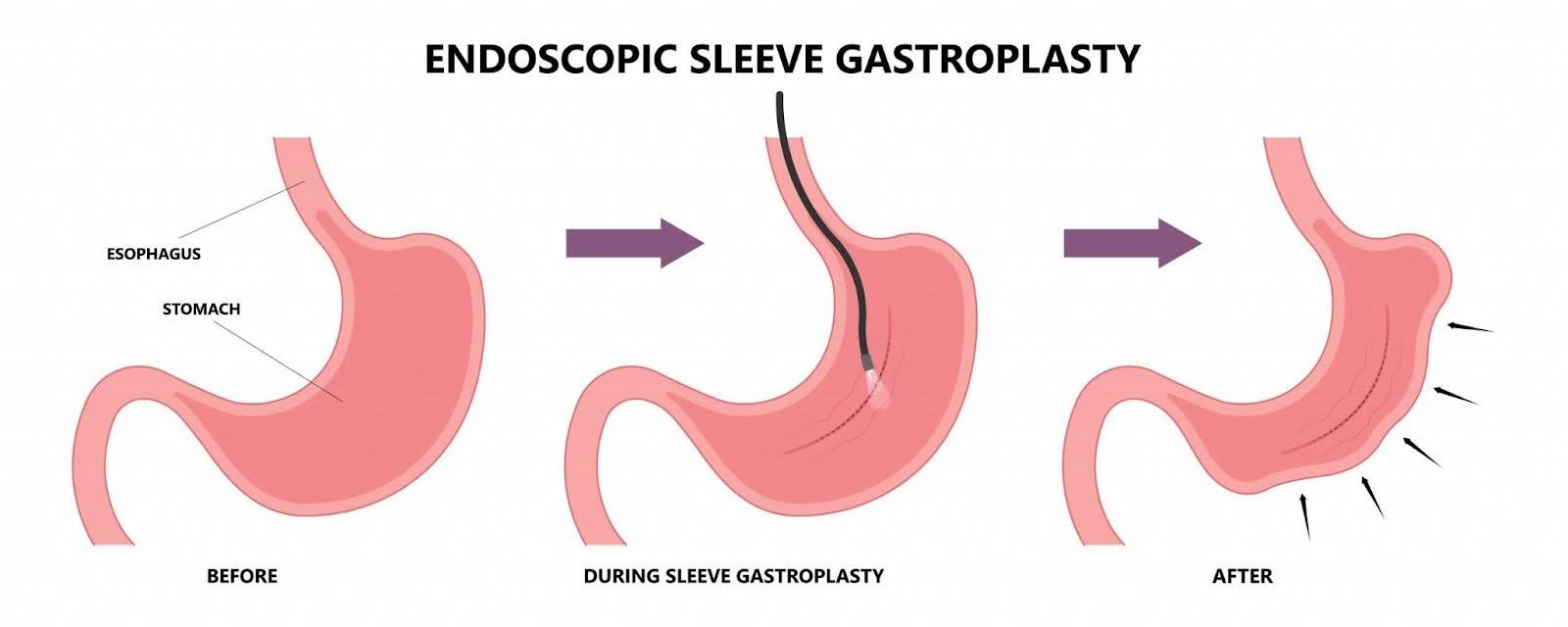
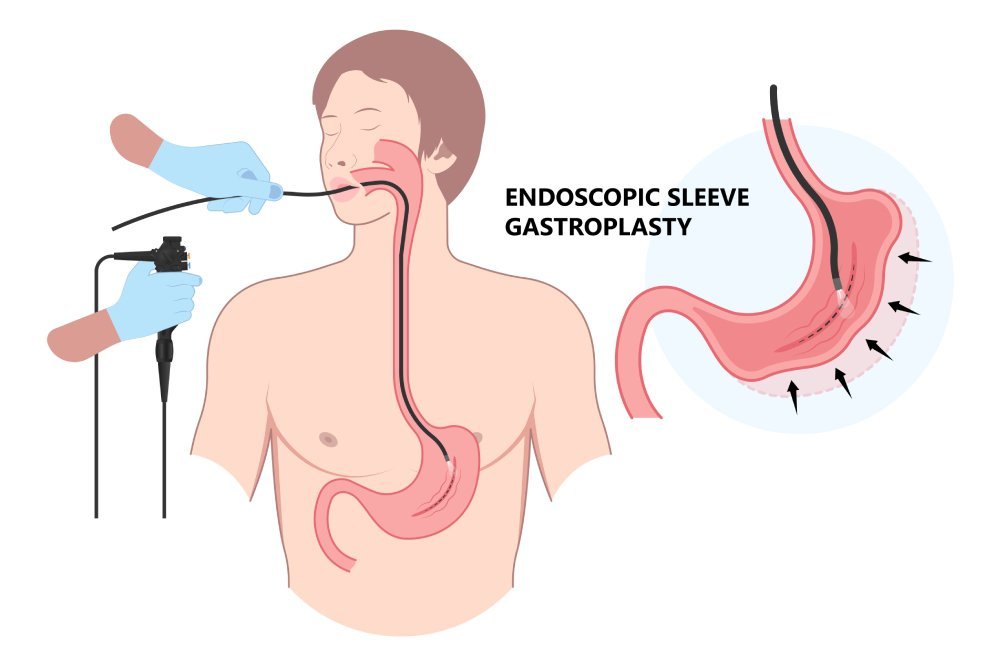
This is a weight loss procedure that is performed endoscopically (through the mouth) using a special stitching device attached to a flexible endoscope. 

Meaningful results

The ESG procedure has achieved significant, long-lasting results
and delivered life-changing impacts for patients battling obesity.

The OverStitchTM System has been CE marked to perform ESG procedure for Weight Loss.

How does ESG work?

0 k
ESG Procedures performed worldwide
0 k
Patients included in clinical studies
0 +
Clinical papers and abstract on the ESG procedure including follow up to 5 years

TABLE COMPARING ESG WITH OTHER PROCEDURES

When compared with other weight loss procedures, ESG compares very favorably.

 Gastric BalloonEndoscopic Sleeve Gastroplasty (ESG)Laparoscopic Sleeve Gastrectomy (LSG)Laparoscopic Roux-En-Y Gastric Bypass
Expected Total Weight Loss15%20%25 – 35%30 – 35%
Route of  ProcedureEndoscopic or Trans-0ralEndoscopicLaparoscopic (Key-hole) surgeryLaparoscopic (Key-hole) surgery
Common Symptoms Immediately After The OperationNausea, vomiting and abdominal painVery mild nausea and abdominal painMild to moderate abdominal painMild to moderate abdominal pain
Recovery Time3 – 5 days2 – 3 days1 – 2 weeks1 – 2 weeks
Safety, Efficacy and DurabilityProven >10 yearsProven >5 yearsProven >20 yearsProven >20 years

How much weight can you lose with ESG?

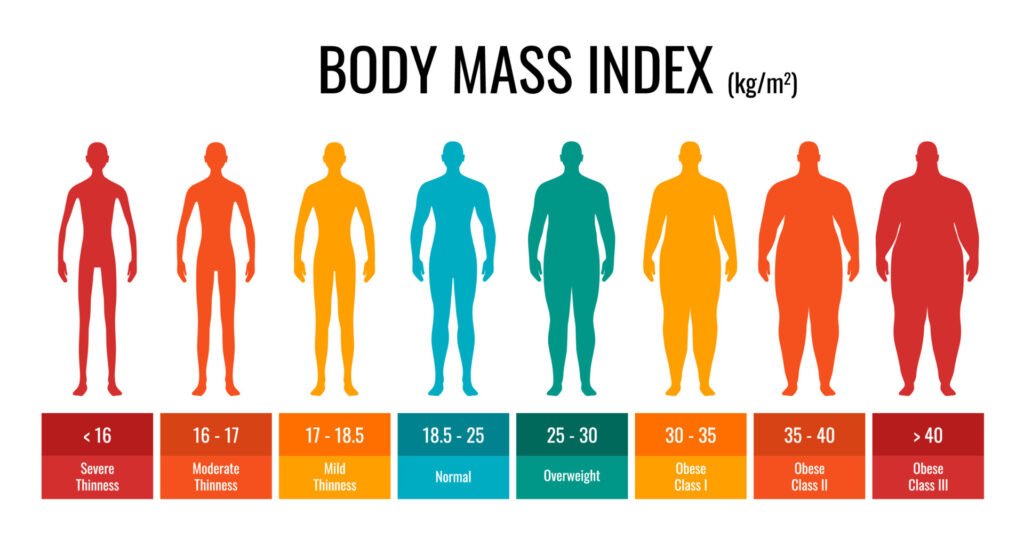
BMI Calculator

BMI Calculator

What should I expect after the procedure?

insurance partners

FAQS

Weight-loss surgery or obesity surgery is better known as metabolic and bariatric surgery (MBS). This is a surgical procedure performed to help people with severe obesity to achieve significant weight loss when other methods like diet and exercise have not been effective. MBS is the most effective and long-lasting treatment for obesity and preventing/ treating obesity associated diseases like diabetes, high blood pressure, cardiovascular disease, obstructive sleep apnoea and cancer.

You are a suitable candidate if:

  • your body mass index (BMI) is 35. For the Asian population a BMI 32.5 is a candidate for MBS.
  • your BMI is between 30 – 34.9, and you have a metabolic disease eg diabetes, high blood pressure, cardiovascular disease, high cholesterol/ lipid, or sleep apnoea. For the Asian population, you should be offered MBS, if you have a BMI ≥ 27.5 and a metabolic disease.

In 2022, the American Society for Metabolic and Bariatric Surgery and International Federation for the Surgery of Obesity and Metabolic Disorders (IFSO) updated the indications for MBS. This is a major update to the 1991 National Institutes of Health guidelines for MBS (Surg Obes Relat Dis 2022;18:1345).


The ESG is suitable for patients who:

have tried dieting and exercise, but they have been unsuccessful

  • are considering a surgical procedure eg gastric sleeve or bypass, but do not want the higher risk of complications that can sometimes result from surgery.
  • ESG involves the placement of internal stitches inside the stomach to reduce the volume of the stomach, therefore limiting food intake. 
  • The procedure not only forms a tubular-shaped stomach which is significantly narrower, but also shortens the length of the stomach by approximately 50%. It is thought that the volume reduction of the stomach following ESG is approximately 70%.
  • Furthermore, the ESG slows the ability of the stomach to empty, which further enhances the appetite suppression and allows the patient to feel fuller for longer.
  • In general, ESG is considered a much safer option than the laparoscopic sleeve gastrectomy because there is no surgical resection of the stomach.
  • You should plan at least three days of inactivity to recover from the procedure and to allow symptoms to resolve. We advise patients to wait until they are able to tolerate suitable volumes of fluid before resuming exercise to minimise the risk of dehydration. 
  • We encourage low to moderate intensity exercise during weeks 1-2 post-ESG, with a return to higher intensity exercise possible after one month.
  • Most patients can return to work within the week. You may be able to resume normal activity sooner than this depending on how quickly your body adjusts to the ESG.

Common types of MBS include the laparoscopic sleeve gastrectomy (the most commonly performed MBS) or the laparoscopic gastric bypass surgery, which is done with a keyhole approach through the abdomen. Another option is the endoscopic sleeve gastroplasty, which is done with a flexible camera (an endoscope) through the mouth, and hence no surgical incision. Please see the TABLE (*) to compare the types of procedures.

To avoid nutrient deficiencies, it is necessary to take several daily supplements - take a multivitamin and calcium twice a day. Alcohol is a definite NO after MBS. Even after full recovery, you are advised to avoid alcohol completely because it is rapidly absorbed after this type of surgery, leading to development of liver disease/ cirrhosis earlier.

MBS requires major dietary and lifestyle adjustments to be successful. Following the surgery, you must adopt a specialized diet and exercise regimen to maintain health and facilitate weight loss. Eating too much or too quickly can cause symptoms such as abdominal cramps, pain, and diarrhoea.

The best results are achieved when MBS surgery is combined with healthy eating and regular physical activity.

  • The procedure is just a tool for weight loss, and achieving a successful outcome will depend on maintaining a regular, smaller portion and healthier diet, with a better lifestyle, and daily exercise program. We will help you achieve them.
  • Take full advantage of the after care and follow-up program provided for you after your MBS procedure 
  • The patient who comes for all their appointments tend to do better; the more we see you the better you do. Each time we see you, we can make adjustments and we advise you, so that you can be on track with your weight loss.
  • Exercise and get moving every day eg brisk walking (Aim for a minimum of 60 mins a day, eg start with 30 mins twice a day) 
  • Get into the healthy habits and maintain that consistently for a long-term goal!
  • Have realistic expectations!
  • Maintain a positive mindset!